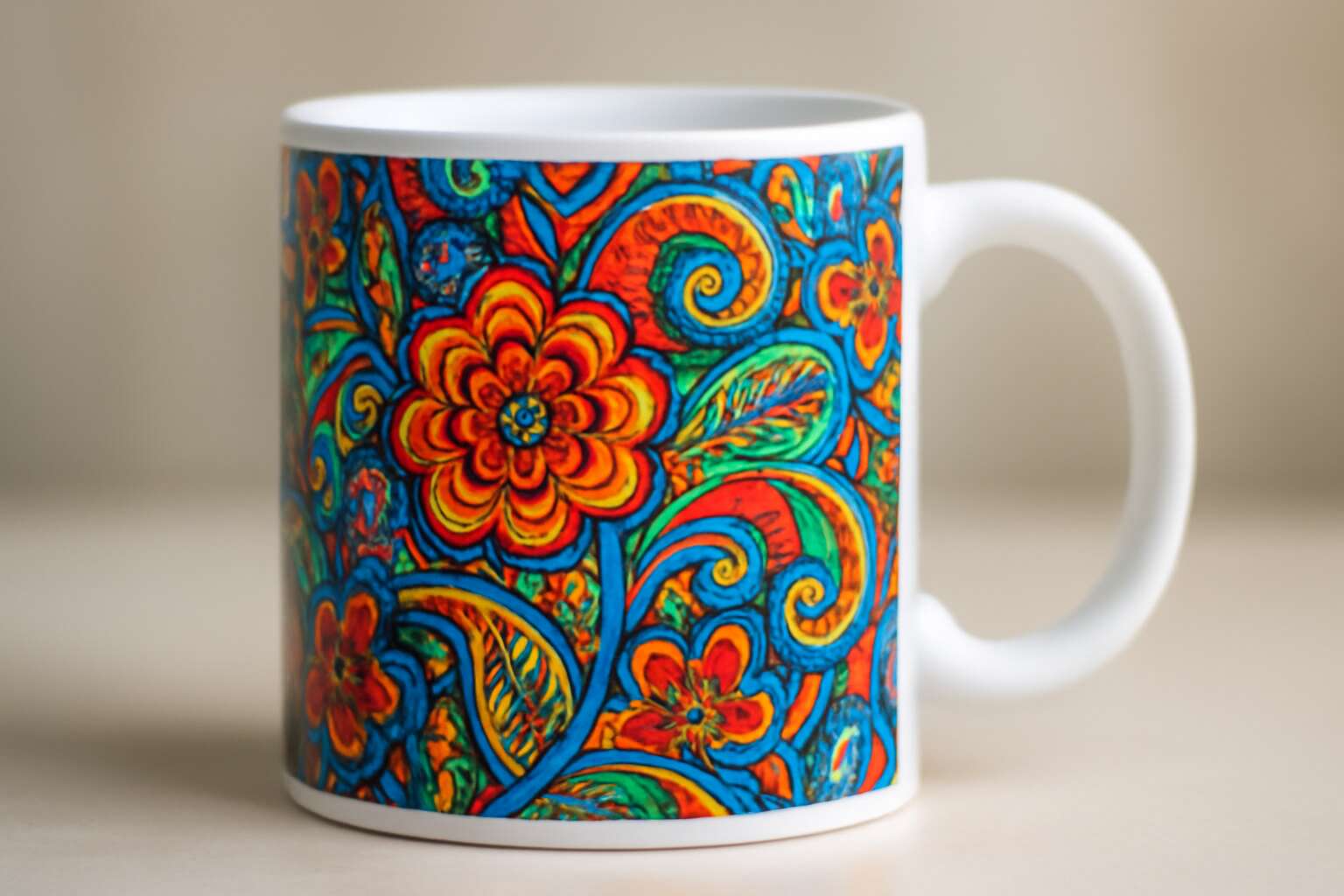
Mug Printing Description: Understanding Its Purpose and Impact
What mug printing description communicates to customers
Across South Africa’s gift aisles, I find a mug is more than ceramic—it is a message you sip. A compelling mug printing description can lift a simple cup into a memory, and studies show personalised items lift purchase intent by up to 40%—a truth that hums in our markets.
- Craft and durability signal lasting value
- Color fidelity shows care for design
- Personal relevance communicates a story customers want
- Brand voice and promise woven into the cup
As I draft, the mug printing description should whisper your brand voice, align with search intent, and invite a moment of connection, particularly for South African buyers who crave authenticity and warmth. Let the cup tell your story, succinctly, with flair and care!
Key terms in mug printing descriptions (sublimation, ceramic, glaze)
A mug is more than ceramic; it is a memory you sip. Across South Africa, personalised mugs elevate a morning into a celebration, and a mug printing description can nudge purchase intent by up to 40%.
Craft and care shape its staying power. The language you choose—concise yet lyrical—helps customers imagine the design on their shelf and in daily rituals. Sublimation, ceramic, and glaze illuminate method, material, and finish.
- Sublimation: designs become part of the mug’s surface, resistant to heat and washing.
- Ceramic: the sturdy canvas that carries weight and warmth into daily life.
- Glaze: the protective sheen that locks color and texture into a smooth, durable whisper.
When woven into your mug printing description, the copy invites a moment of connection—authentic, warm, and unmistakably South African in tone.
How to define your target audience for mug descriptions
In South Africa’s bustling gift market, a well-tuned mug printing description can nudge purchase intent by up to 40%—a spark that turns a simple cup into a carried memory.
Understanding its purpose means listening to your audience; I listen for the small rituals people build with their morning coffee. The words should invite recognition, warmth, and a touch of SA flair, guiding readers to imagine the mug on their shelf and in daily rituals.
- Corporate clients seeking memorable gifts and onboarding swag
- Friends and family shopping for personal keepsakes
- Creators and entrepreneurs promoting a brand through merchandise
To define your target audience for mug descriptions, observe where your images travel, what conversations your design sparks, and which mornings your copy enters with a smile. The mug printing description then acts as a bridge—between design, memory, and a shared moment of delight.
Common myths about mug printing you should debunk
Every mug speaks in the hush of morning; in South Africa’s vibrant gift markets, a well-crafted mug printing description tilts a glance toward a sale as surely as a sunrise over Table Mountain. It is the bridge between design and memory, shaping why a person reaches for the cup with anticipation! The words invite warmth and local charm.
The description carries purpose—illuminating gloss, glaze, and craft without jargon. It debunks the myth that visuals alone drive choice, weaving mood and context toward a moment of delight.
Let’s debunk three common myths that undermine this purpose:
- Myth: Any mug can be printed by any method—the substrate and glaze decide.
- Myth: Bold imagery guarantees impact—context and audience matter more.
- Myth: Printing is a one-time finish—colorfastness and coating sustain daily delight.
When purpose is tuned, the mug becomes memory on the move, not merely a vessel, and the description opens its daily life.
Technical Aspects of Mug Printing
Printing techniques overview including sublimation and screen printing
Mug printing description isn’t just decoration; it’s a technical brief that translates design into durable, everyday reality. In South Africa’s gift and corporate markets, a mug that holds up to daily use stands out. Two primary methods power modern mug printing: sublimation and screen printing!
Sublimation bonds dye into a coated ceramic surface, delivering seamless color and dishwasher-safe durability. Screen printing layers ink over glaze for bold, tactile finishes and lower setup costs on short runs. The choice hinges on color complexity, run length, and glaze compatibility, all shaping the final description.
- Sublimation: full-coverage color on polymer-coated mugs.
- Screen printing: durable, crisp designs with a glaze-friendly process.
- Considerations: ceramic type, glaze, and finishing care influence technique choice.
Material compatibility and finishes for mugs
Color is memory in motion, and this mug printing description translates a design into daily reality. Material compatibility matters: ceramic mugs with a vitreous glaze happily accept most standard decorations, while polymer-coated mugs require careful surface prep and compatible top coats to endure daily washing. In South Africa’s gift and corporate markets, a finish that survives steady use is a quiet superpower—bright, durable, and dishwasher-friendly when chosen wisely.
- Glossy glaze: vibrant color that pops on ceramic bodies when the glaze and inks align.
- Matte or satin finishes: tactile elegance that hides micro-scratches and fingerprints, with slightly different curing needs.
- Soft-touch coatings: a luxurious feel that demands glaze compatibility and solid heat resistance.
Beyond the ink, the glaze, ceramic body, and finishing care shape durability. The right pairing reduces wear and keeps colors true across many cups—an everyday magic South Africa’s homes and offices rely on.
Color management and accuracy in mug printing
In South Africa, a compelling mug printing description becomes more than a caption—it’s a promise that color will endure daily use. It translates a design into daily reality, where a single glance tests its resilience.
Color management and accuracy hinge on how glaze, ink, and ceramic interact. A glossy glaze can shift hue with lighting; matte finishes behave differently under kitchen glare. The aim is batch-to-batch consistency, so the story reads true from prototype to production, guided by color science rather than guesswork.
- Color gamut and substrate interaction
- Lighting and viewing conditions
- Ink chemistry and curing behavior
These considerations power mug projects in South Africa’s gift and corporate markets, turning durable color into everyday magic.
Resolution and image quality requirements for mugs
Technical precision is the silent drumbeat behind every respectable mug. For South African brands chasing shelf presence, 300 dpi is the baseline for raster art, while vector elements stay crisp across sizes. This is where the mug printing description reveals its truth: it translates a design into a durable, daily companion, resistant to coffee rings and busy mornings.
To meet these standards, mind these parameters:
- Resolution: 300 dpi minimum for raster artwork; 600 dpi for sharper detail.
- Color management: embed ICC profiles and use sRGB where possible.
- Print area and bleed: allow 2–3 mm bleed with safe margins.
- Ink–glaze interaction: account for curing behavior to avoid dulling or bleeding.
Handled correctly, these technical choices ensure consistent output across batches in South Africa’s competitive gift and corporate scene.
SEO and Creative Copy for Mug Printing Descriptions
Keyword research and optimization for mug printing descriptions
Shoppers decide fast, so copy and SEO must cut through the noise. In South Africa’s crowded online market, a well-crafted mug listing can lift a brand above the clutter. A common stat: two-thirds of online shoppers say product descriptions are decisive. Clarity and pace matter as much as visuals.
SEO and copy for mug printing description should feel natural, not forced. Place the phrase where it fits, avoiding gimmicks. Tailor the tone to local buyers who value durability, usefulness, and a story they can share. Consider these overarching themes:
- Search intent and relevance
- Readability and rhythm
- Brand voice and authenticity
The result reads as honest, balanced copy. South African readers crave clarity over hype, and copy that speaks to everyday use earns trust. When the description lands with precision, engagement follows without shouting.
Crafting compelling product titles and meta descriptions
In South Africa’s crowded online markets, a well-crafted mug printing description can lift a listing above the clutter; 65% of shoppers decide within seconds after reading descriptions.
Crafting compelling product titles and meta descriptions for this niche means balancing SEO with a natural, local voice. I’ve seen it—buyers respond to clarity over hype!
- Keep titles precise and weave mug printing description naturally into product titles.
- Meta descriptions should invite clicks with rhythm and a warm, SA-friendly tone.
- Maintain readability and durability-focused language that mirrors everyday use and sharing.
Authenticity over hype earns trust; the copy should feel like a chat with a product you could hand to a colleague. The copy should feel honest, durable, and ready to share.
Structuring features benefits and specs in mug pages
In South Africa’s crowded online markets, 65% of shoppers decide within seconds after reading descriptions. The mug printing description on a page is more than words—it’s the quiet handshake that turns lookers into buyers, especially when the copy balances clarity with a local, friendly voice.
For SEO and creative copy, structure matters: lead with a crisp value proposition, then reveal features, benefits, and specs in digestible bites that echo how people actually use mugs at the office or home.
- Features align with genuine use: sturdy ceramic, safe glaze, comfortable handle
- Benefits highlight durability, daily practicality, and shareable moments
- Specs cover size, weight, and finish nuances
The tone should feel like a chat with a colleague, honest and durable, avoiding hype while still inviting click-throughs with rhythm and warmth.
In this framework, keyword choices blend with natural language, and imagery matches the realities of South African kitchens, offices, and gift-giving rituals.
Bullets versus paragraphs for effective mug descriptions
In South Africa’s crowded online shelves, a single line can turn a scroll into a click. A well-crafted mug printing description is more than product talk—it’s a friendly handshake that makes shoppers confident about the cup they’ll reach for at work or home. Clarity meets warmth, with a hint of local voice.
Consider these guidelines for when to use bullets versus paragraphs:
- Bullets highlight quick specs and features (size, glaze, dishwasher safety) for fast scanning.
- Paragraphs tell stories of daily rituals—coffee runs, office desks, gifting moments—to build emotion and context.
- Use both: start strong with value, layer bullets for details, end with a short, inviting paragraph.
Done well, the mug printing description balances SEO with a confident South African voice, inviting clicks without hype.
Schema markup and rich snippets for mugs
Shoppers skim more than they read: a South African study found 72% of online buyers click the first mug page that loads with clear, confident content. A mug printing description should be a warm handshake—friendly, concise, and tuned to search engines so the cup they reach for at work feels inevitable.
Schema markup and rich snippets are the secret sauce. Structured data allows Google to pull price, availability, and image into search results, turning a bland listing into a glanceable storefront. For mug printing description, JSON-LD keeps the copy tidy while preserving the craft.
- name, image, and description fields
- offers: price, currency, availability
- aggregateRating and reviews for social proof
- brand, sku, and category for filtering
Keep the copy human with a dash of swagger. The aim isn’t hype but trust—because a well-crafted mug printing description earns clicks, not footnotes, and whispers to readers in SA with a confident, friendly tone.
Visuals and Compliance in Mug Printing
Photography guidelines for mug product pages
In crafting the mug printing description, visuals must land. In SA, color-true photos can boost conversions by up to 28%, and strong imagery reduces returns. A strong image sells before a word is written—so nail the shot!
Visuals guidelines first: use bright, even lighting; neutral backdrop; show texture, glaze, and handle from several angles to convey quality. The following checklist helps keep visuals honest across platforms:
- Neutral backdrop and consistent lighting across angles
- Close-ups of glaze, texture, and the mug’s handle
- Lifestyle shots that hint at scale and daily use
Compliance matters—obtain logo permissions, use model releases when people appear, and add alt text and captions for accessibility. Accurately represent what the mug offers; avoid implying features you don’t have.
Packaging and shipping considerations for printed mugs
Visuals land before a word—and in South Africa, color-true mug imagery can lift conversions by up to 28%. In a mug printing description, visuals must land with confidence: bright, even lighting; a neutral backdrop; and texture cues—the glaze, weight, and the handle—shot from multiple angles. Close-ups grab attention and lifestyle shots hint at scale and daily use.
- Neutral backdrop and consistent lighting across angles
- Close-ups of glaze, texture, and the mug’s handle
- Lifestyle shots that hint at scale and daily use
Compliance matters—obtain logo permissions, use model releases when people appear, and add alt text and captions for accessibility. Accurately represent what the mug offers; avoid implying features you don’t have. Packaging and shipping require sturdy protection—bubble wrap, double-wall boxes, and clear handling instructions to keep prints pristine in transit. The mug printing description travels well when elements align.
Safety standards certifications and compliance disclosures
In a mug printing description, visuals matter as much as verification. The shot should balance a neutral backdrop, steady lighting, and texture cues that reveal glaze, weight, and the handle from multiple angles—without shouting, like a quiet poem on porcelain.
Compliance disclosures sit at the heart of trust. Certifications and safety standards—SABS, CE, or food-contact assurances when applicable—should be visible or described in captions and alt text. Logo permissions, model releases for people, and transparent glaze details protect maker and buyer.
- Certifications like SABS or CE where relevant
- Lead-free glaze and food-contact safety disclosures
- Alt text and captions for accessibility and SEO




0 Comments